



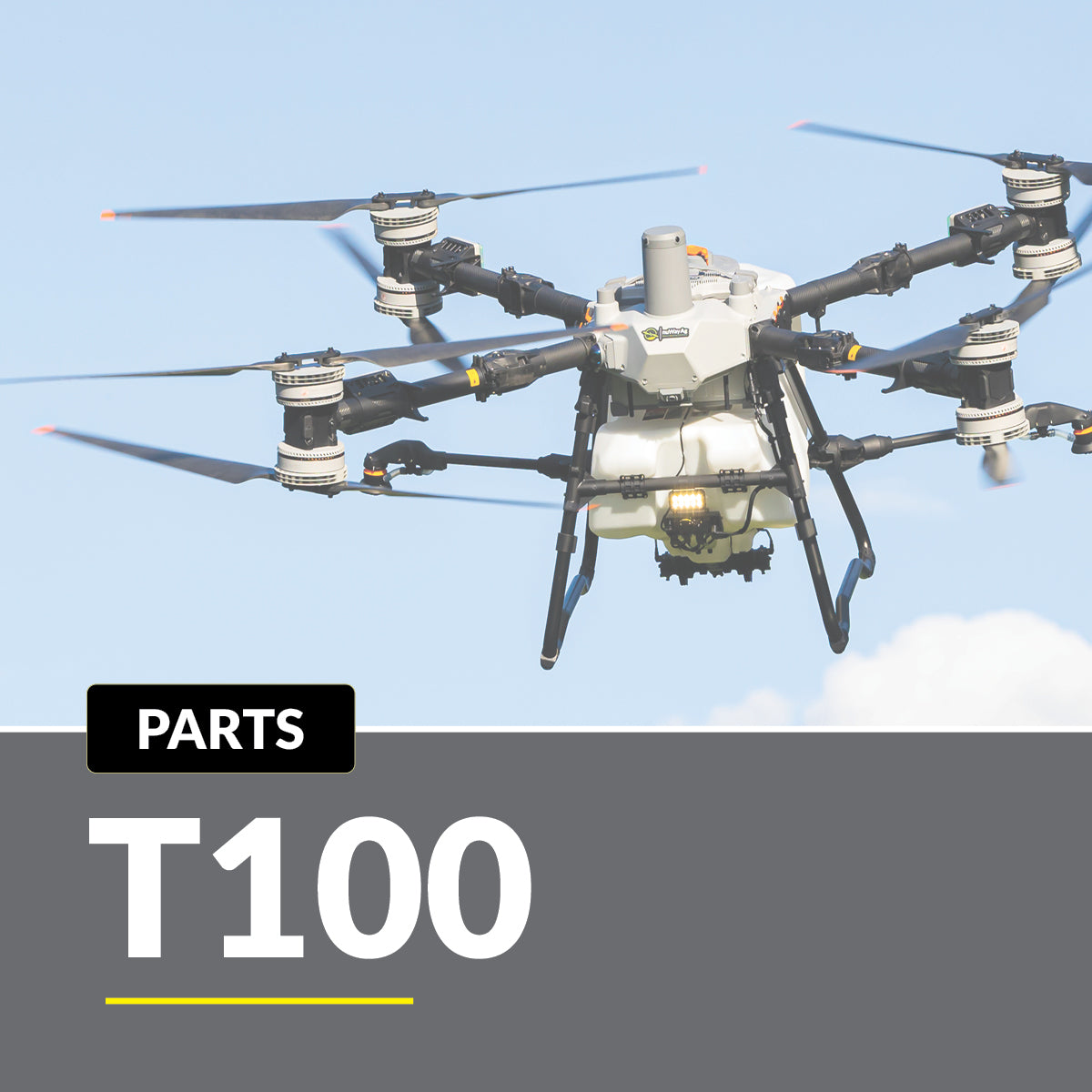
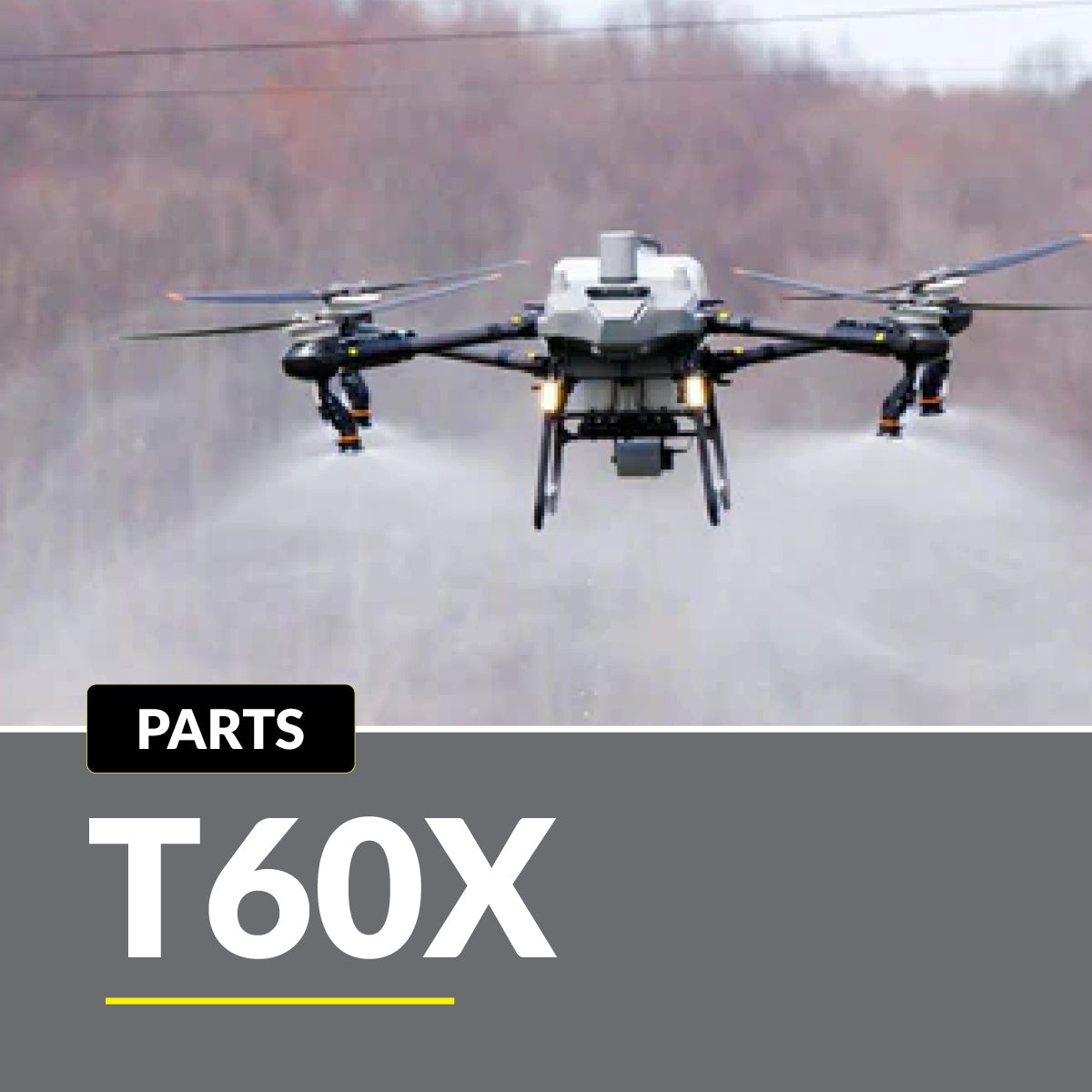
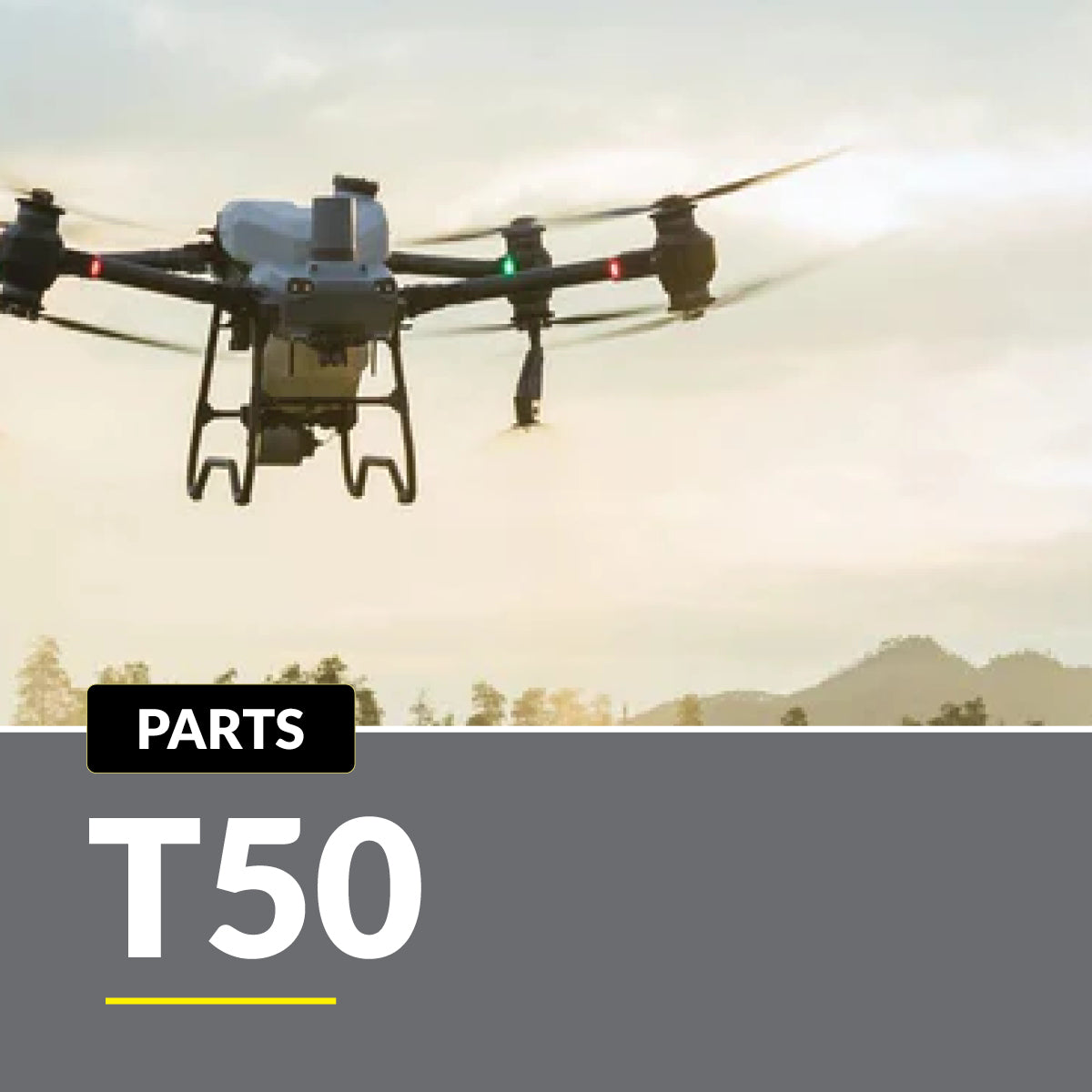
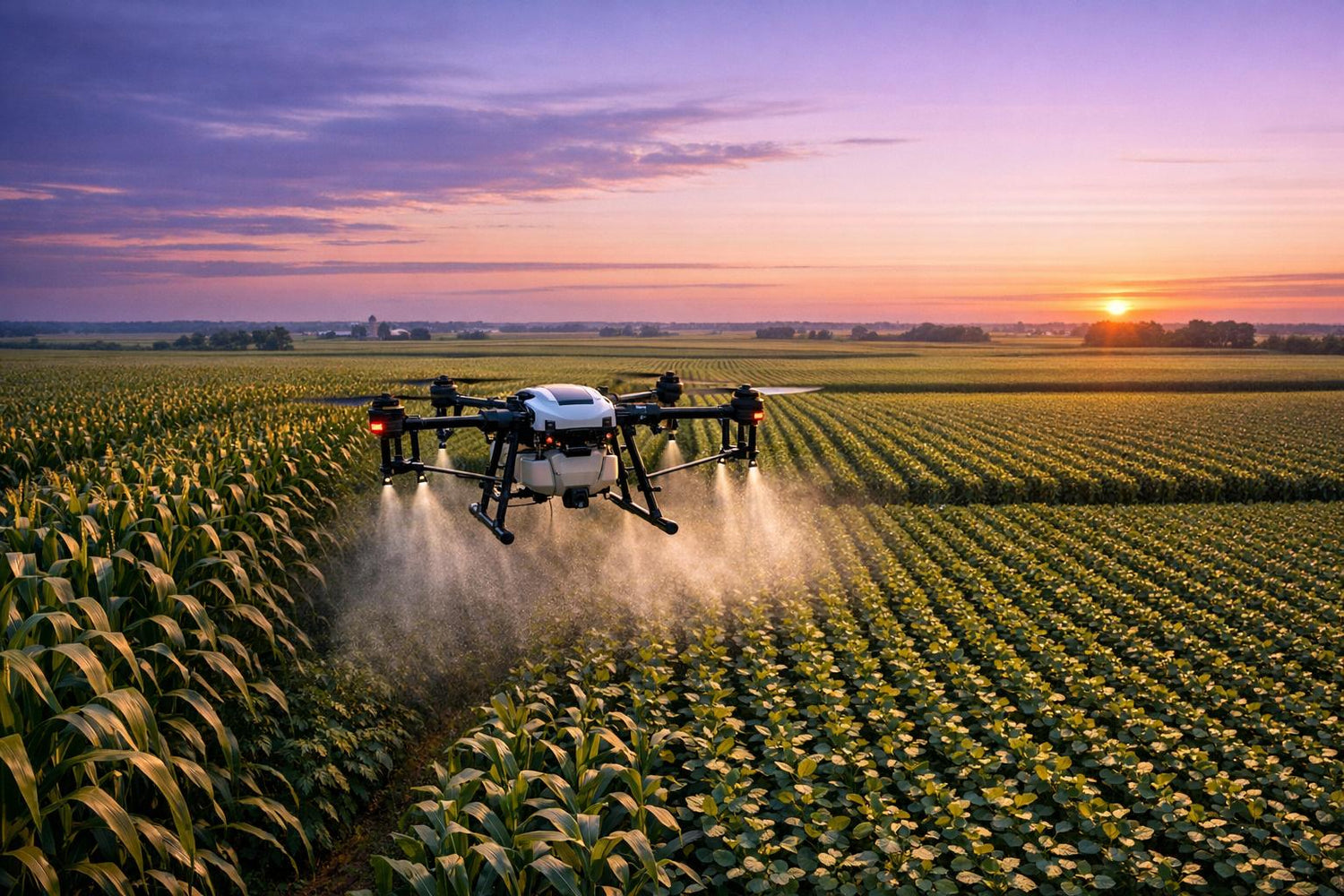
In the fast-evolving field of agriculture, modern technologies like drone spraying are revolutionizing the way farmers approach crop management. The video "30-Hour Drone Spraying: Corn & Bean Fungicide Tips" offers a hands-on look into how agricultural drone operators tackle extensive fieldwork, manage challenges, and optimize efficiency during a marathon spraying session. For individuals and businesses looking to incorporate drone technology into their operations, this article provides actionable insights and tips based on the video’s practical demonstration.
The Role of Drones in Modern Agriculture
Drone spraying has become an essential tool for farmers, allowing for precision application of herbicides, fungicides, and insecticides across diverse terrains. Unlike traditional methods, drones offer flexibility, reduced labor costs, and the ability to cover challenging areas like small, irregularly shaped fields or those with obstacles such as power lines and trees.
The video captures a 30-hour session where operators work day and night to spray fungicide and insecticide on corn and bean fields. Their experience highlights both the advantages and the complexities of drone operations in agriculture.
sbb-itb-3415cd9
Key Lessons from the Drone Spraying Marathon
1. Importance of Field Management and Planning
- Segmenting Fields: The operators frequently broke large fields into smaller sections to avoid obstacles, such as power lines. This approach ensured safe and accurate application while reducing the risk of accidents.
- Efficient Field Boundaries: Defining clear margins and field boundaries with drones was a repeated task. Adjusting field parameters minimized overlaps or missed sections, which is critical for uniform coverage.
- Navigating Obstacles: Power lines, trees, and uneven terrains posed challenges during the spraying process. In the video, real-time adjustments were made to avoid potential collisions.
Pro Tip: Always survey fields before spraying. Use drone mapping software to identify obstacles and plan flight paths in advance.
2. Battery Management: The Key to Continuous Operations
- Balancing Load and Energy Use: The operators noted that carrying heavier loads, such as 13 gallons of fluid, shortened drone battery life. Reducing the load to six gallons allowed for more trips per battery, optimizing efficiency.
- Charger and Generator Limitations: A single generator per drone struggled to keep up with the energy demand during continuous operations. The team mitigated downtime by rotating multiple batteries between use and charging.
Pro Tip: For large-scale operations, invest in additional batteries and a secondary generator to minimize interruptions during extended spraying sessions.
3. Nighttime Spraying: Challenges and Benefits
The operators explained that nighttime spraying offers unique advantages:
- Reduced Wind and Heat: Cooler temperatures and calm conditions improve spray coverage and reduce evaporation, ensuring chemicals are applied where they are needed most.
- No Traffic Disruptions: Spraying at night eliminates concerns about farm equipment blocking roads or interfering with daytime activities.
- Improved Safety Features: Advanced drones, equipped with bright lights and improved cameras, made nighttime operations safer and more efficient compared to older models.
However, flying at night requires heightened attention. Operators must rely on visual aids and precise navigation tools to avoid obstacles and maintain safety.
4. The Role of Technology in Precision Spraying
Modern drones come with advanced features that enhance precision and efficiency:
- Manual and Automated Modes: The operators frequently used "manual plus" mode to take control in difficult areas, like small fields or those with obstacles, while automated modes were employed for larger, open fields.
- Obstacle Detection: The drones demonstrated the ability to sense and climb over power lines autonomously, reducing the risk of accidents.
- Real-Time Monitoring: Controllers provided live feedback on spray coverage, battery life, and remaining fluid levels, enabling operators to make real-time adjustments.
Pro Tip: Select drones with strong obstacle detection systems and user-friendly controllers to improve precision and reduce operator stress.
5. The Grind of Long Hours and Small Fields
The video provides a candid look into the physical and mental challenges of extended drone spraying sessions:
- Frequent Relocation: Small, irregular fields required constant relocation of equipment, which slowed progress.
- Fatigue Management: Working through the night and into the next day tested the endurance of the operators, who relied on snacks and short breaks to stay alert.
Despite the challenges, the operators completed close to 900 acres over 24 hours, demonstrating the potential efficiency of drones for large-scale agricultural spraying.
Practical Tips for Aspiring Drone Operators
If you're considering integrating drones into your agricultural business, here are some practical steps to get started:
- Start Small: Begin with smaller fields or projects to build confidence and familiarity with the equipment.
- Invest in Training: Ensure operators are trained not only in flying drones but also in troubleshooting and optimizing their performance.
- Prioritize Safety: Always perform pre-flight checks, survey fields for obstacles, and use safety features like obstacle detection.
- Maintain Your Equipment: Regularly inspect drones, batteries, and spraying systems to prevent downtime during critical operations.
- Optimize for Efficiency: Balance the load, monitor battery life, and plan field operations to maximize productivity during long spraying sessions.
Key Takeaways
- Field Segmentation Matters: Breaking fields into manageable sections improves safety and accuracy.
- Battery Management is Crucial: Optimize load size and consider investing in additional batteries and chargers.
- Nighttime Spraying Offers Benefits: Cooler conditions and reduced daytime challenges can make overnight operations more efficient.
- Advanced Technology Enhances Safety: Features like obstacle detection and real-time monitoring simplify operations and reduce risks.
- Adaptability is Essential: Operators must be prepared to handle unexpected challenges, such as recalibrating drones or adjusting to complex field layouts.
Conclusion
Drone spraying represents the future of agricultural efficiency, allowing farmers to cover large areas with precision and minimal environmental impact. As seen in the video, proper planning, equipment management, and flexibility are critical to maximizing the benefits of this technology. By following the lessons and tips outlined in this article, aspiring drone operators and agricultural entrepreneurs can confidently take the first steps toward modernizing their operations.
Embrace the opportunity to revolutionize your farming practices with drone technology - and let innovation take your fields to new heights!
Source: "Day & Night Spray Drone Ops: 30-Hour Shift for Corn & Beans Fungicide!" - nuWay Ag, YouTube, Sep 9, 2025 - https://www.youtube.com/watch?v=s-vruE3ryYM