
Louisiana State Guide
Louisiana
A major cotton market with low drone competition and a long growing season makes Louisiana a prime state for spray drone entrepreneurs.
A Wide-Open Market for Drone Spray Operators
Louisiana ranks 17th nationally in agricultural GDP, with approximately 27,400 farms generating over $4.5 billion in annual revenue. The state is the #2 producer of sugarcane in the U.S. (behind Florida), a top-5 rice state, and a major cotton, soybean, and corn producer. Louisiana's Delta and alluvial plain farmland features large operations with flat terrain and year-round humidity-driven pest pressure ideal for drone operations.
Farmers here are tech-forward and responsive to new solutions, especially in high-value crops where precise timing is critical. Your equipment investment pays off rapidly.
Acres by Crop
How Drone Pricing Compares
Ground Rig
Equipment is expensive, has limited range, weather-dependent, and poor for precision applications in varied terrain.
Drone
Fastest deployment, highest precision, lowest environmental impact, and fastest payment at scale.
Manned Aircraft
Higher cost, long lead times, and significant regulatory barriers. Limited adoption in smaller operations.
Top 5 Counties for Drone Spray Operations
Concordia Parish
Louisiana's top agricultural parish with massive cotton, corn, and soybean operations along the Mississippi River; flat alluvial terrain, large fields, and intense pest pressure create high-volume spray demand.
Tensas Parish
Dense Delta farmland with cotton, soybeans, and corn; some of the largest farm operations in the state with 500+ acre average sizes and minimal drone competition.
Acadia Parish
Heart of Louisiana's rice belt in the Cajun Prairie region with intensive rice and sugarcane operations; rice fields require precise aerial application that drones can deliver.
Vermilion Parish
Major rice and sugarcane acreage along the Gulf Coast with year-round agricultural activity; coastal humidity drives heavy fungicide demand.
Franklin Parish
Large cotton, corn, and soybean operations in northeast Louisiana's Delta with flat terrain, big fields, and established demand for aerial application services.
Seasonal Playbook — When & What to Spray
🌱 Spring (Mar–May)
- Rice — herbicide application (red rice, barnyardgrass) and insecticide (rice water weevil)
- Corn — post-emergence herbicide and early fungicide
- Cotton — pre-emergence herbicide application
- Soybeans — pre-emergence herbicide application
- Sugarcane — herbicide application (weed control in new plantings)
☀️ Summer (Jun–Aug)
- Rice — fungicide application (sheath blight, blast) — major drone opportunity due to flooded field access
- Cotton — insecticide application (bollworm, tarnished plant bug, stink bugs) and growth regulators
- Corn — fungicide application (southern rust, aflatoxin prevention)
- Soybeans — fungicide and insecticide (stink bugs, soybean looper)
- Sugarcane — insecticide application (sugarcane borer, Mexican rice borer)
🍂 Fall (Sep–Nov)
- Cotton — defoliant application, harvest aid
- Rice (ratoon crop) — second-crop fungicide and insecticide applications
- Sugarcane — ripener application pre-harvest
- Soybeancorn stubble — burndown herbicide
❄️ Winter (Dec–Feb)
- Sugarcane — post-harvest herbicide application on stubble
- Burndown applications — pre-season field preparation
- Crawfish pond management — herbicidealgaecide (niche but recurring)
Active season: ~4-9 months (March–November).
Pricing, Economics & Break-Even Analysis
Here's the financial reality: equipment costs are significant, but the volume of acres you can cover makes the payoff fast. Most operators are profitable within 12–15 months of launch.
Ground Rig
per acre. Limited precision and coverage.
Manned Aircraft
per acre. Expensive, slower route to startup.
Drone (Your Advantage)
per acre. Fastest ROI, competitive with manned, superior precision.
Your Equipment Package & Payment Flow
Equipment
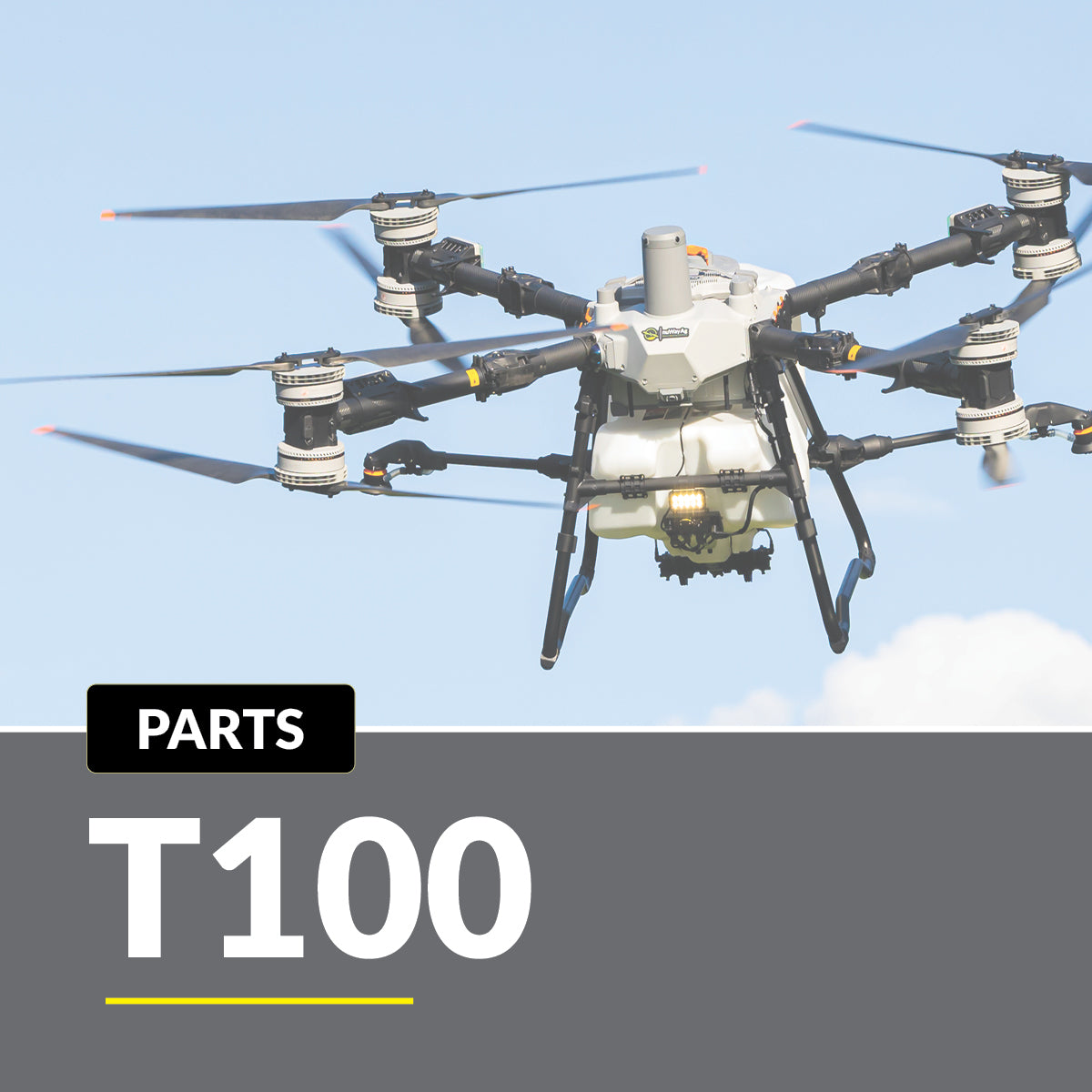
2× T100 Drones + Trailer
Down Payment (20%)
Financed at 6%
Amount Financed
36-month term
Monthly Payment
Low APR agricultural financing
What Your Monthly Payment Looks Like in Acres
Acres/month @ $12/acre average
Required for payment
Acres/year
Across 8–9 months
Total to break even
Over 36 months (easy target)
Untapped Market
A significant portion of Louisiana's agricultural acreage remains untapped for drone spray services. High-value crops like peanuts and specialty applications get the best per-acre premiums.
Agriculture Is Changing. Are You Ready?
The industry is rapidly shifting from traditional ground equipment to precision aerial drone application. The window to build a drone spraying business before the market saturates is right now.
Watch Now6% Agricultural Financing
- Competitive 6% APR for new operators
- 36-month term keeps monthly payments manageable
- Quick approval process (24–48 hours)
- Covers equipment + trailer in one package
- No prepayment penalty
- Dedicated account manager support
Ready to move forward? Get a quote and financing pre-approval in minutes.
(234) 271-2767Call our financing team to lock in your rate and schedule a free consultation.
Apply for FinancingLouisiana Commercial Pesticide License
To legally apply pesticides from the air in Louisiana, you need a Commercial Pesticide Applicator License with the Aerial Mode of Application (AIR) permit from the state regulatory agency. The process is straightforward, typically taking 3–5 weeks from study to approval.
From application to approval. Training class = faster route.
Study Materials
- Louisiana Commercial Applicator Core Manual — available from LDAF
- Category 1 Study Guide: Agricultural Pest Control — Plant — available from LDAF
- LSU AgCenter Pesticide Safety Education resources (
- EPA Pesticide Applicator Certification Core Manual — free PDF at
- "Applying Pesticides Correctly" (EPA 735-B-99-002) — Core exam study guide
Louisiana Department of Agriculture and Forestry
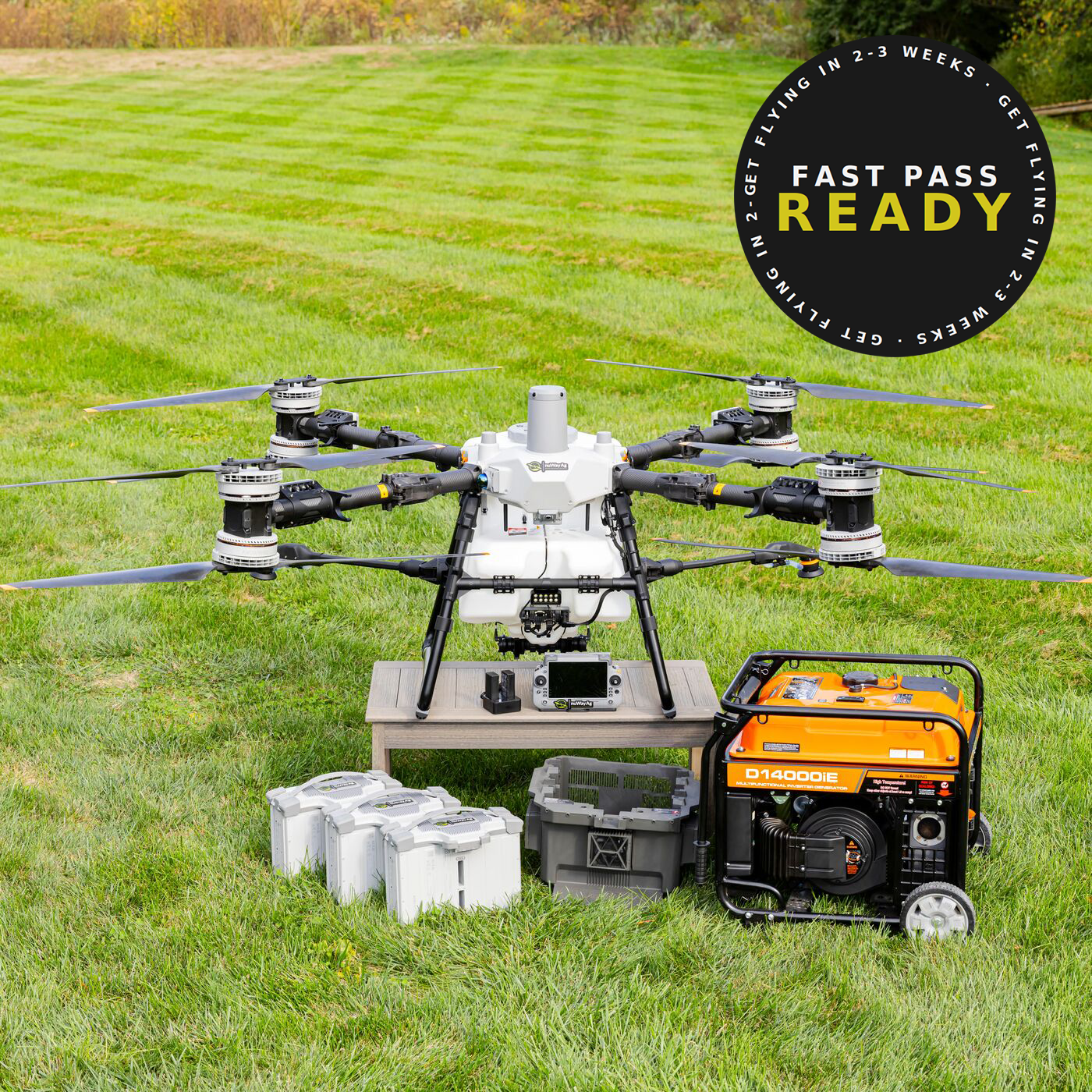
nuWay FastPass
Get spraying while your FAA Part 137 clears. Work as a contractor under nuWay's certificate, start earning immediately, don't sit on idle equipment.
Start Earning in 1–2 Weeks
Don't wait 3–6 months for Part 137. FastPass lets you begin commercial spray operations immediately.
Bridge the Income Gap
Generate revenue during the FAA approval wait. Most operators recoup 20–30% of their investment during FastPass.
Stay Fully Compliant
Operate under nuWay's Part 137 certificate. All regulatory requirements are met — 100% legal.
Smooth Transition
When your Part 137 approval comes through, transition to your own certificate with no downtime.
Equipment → Part 107 → Class 3 Medical → Insurance → FastPass Approval = 1–2 weeks to start spraying
Your Quick-Start Action Plan
Total Timeline: 8–12 Weeks to First Job
Equipment arrives, you get licensed, training happens, and your first customer is booked. The speed depends on when FAA Part 137 approval comes through. That's why nuWay FastPass exists — you can earn while you wait.
Call nuWay Ag for a Quote
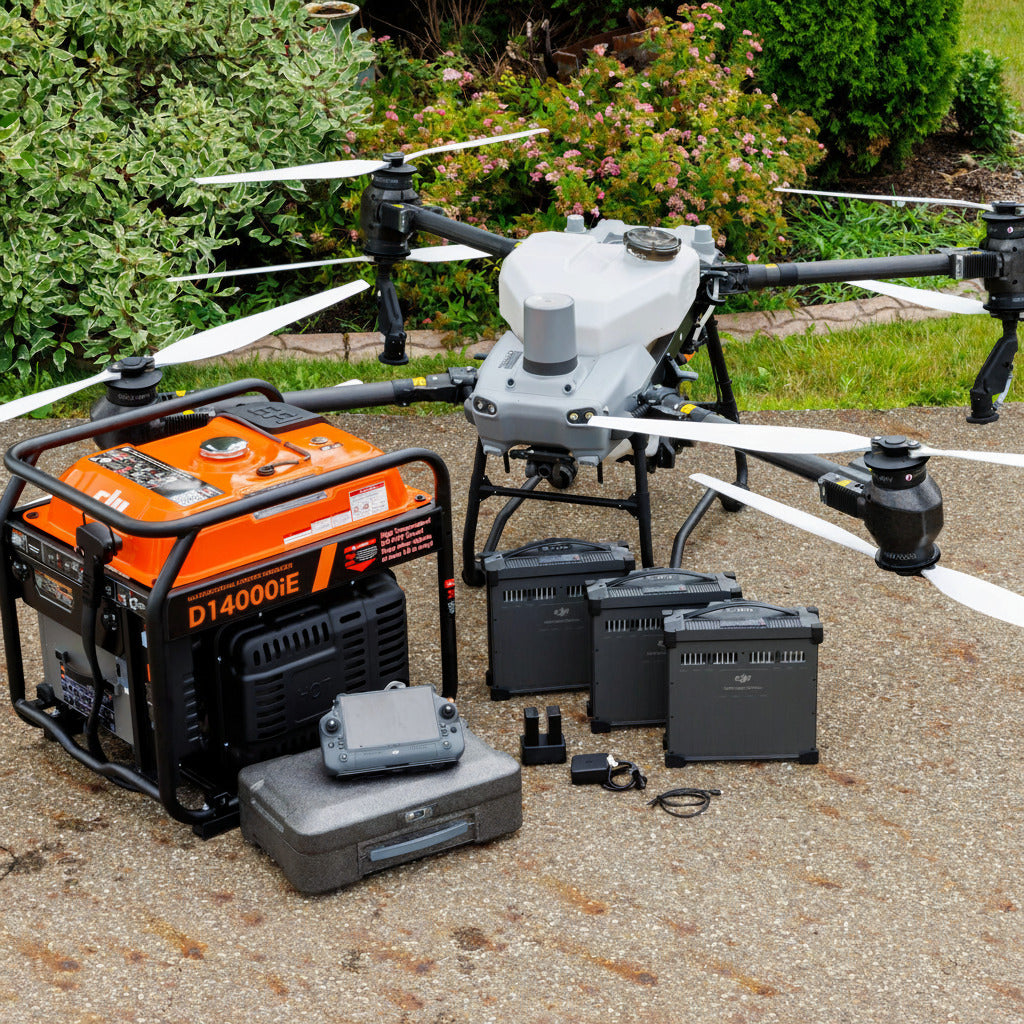
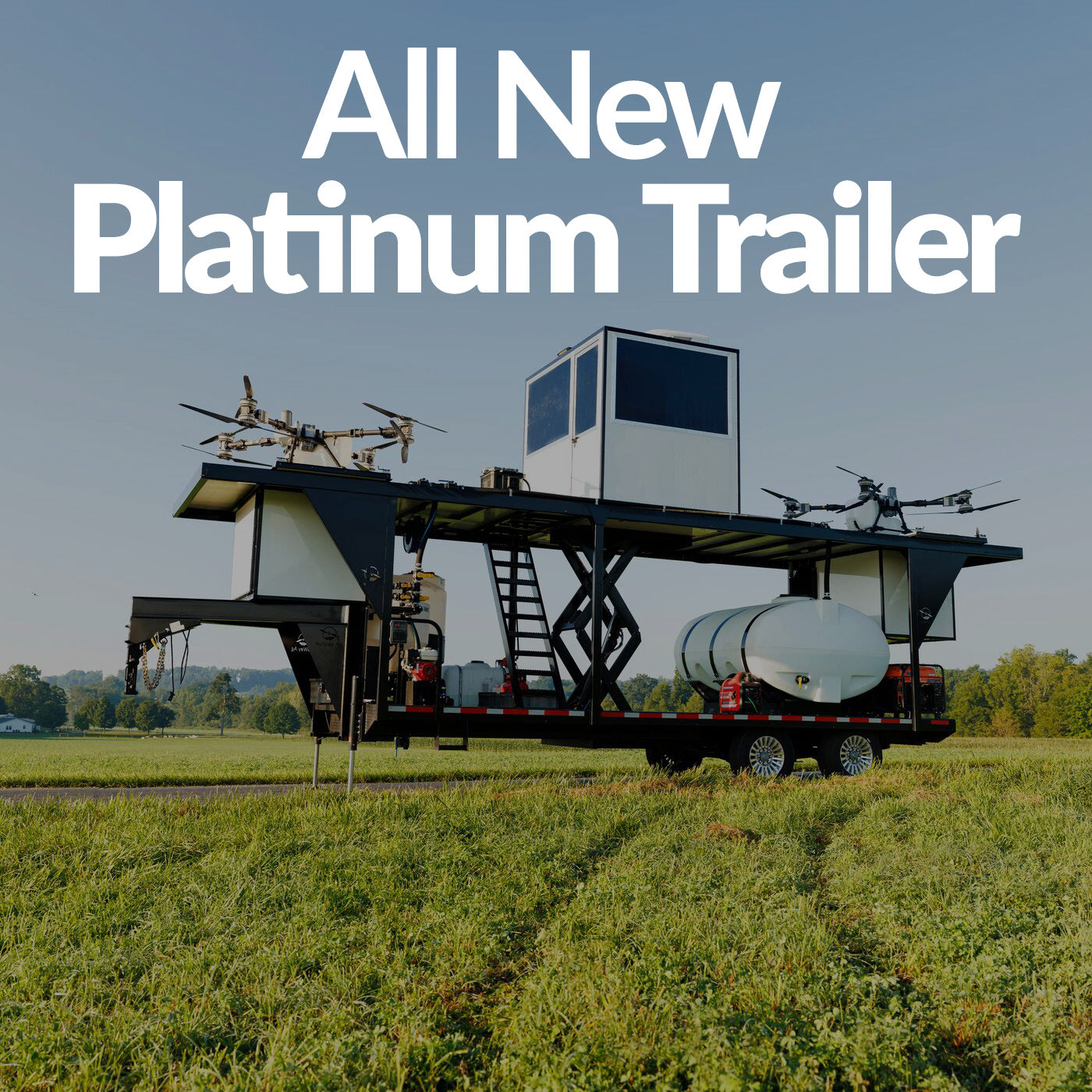
Get a no-commitment quote on 2× T100 Drones + Trailer. Our team can walk you through financing options and timelines. (234) 271-2767
Apply for Agricultural Financing
Lock in 6% APR. Our financing team pre-qualifies you and you'll have approval in 24–48 hours. Most operators put down 20% and finance the rest.
Get Your Pesticide Applicator License
Apply at your state's agricultural department, study provided materials, and take your exam. The training class route takes 1 day + 2 weeks for approval.
Begin FAA Part 137 & FastPass
Start your FAA agricultural pilot cert (Part 107 + Class 3 Medical). nuWay FastPass lets you spray commercially while waiting for Part 137 approval.
Get Liability Insurance
Secure a $1M+ general liability policy. Quotes take 24 hours, policy is active within 5–7 days.
Schedule Free Training with nuWay
Free hands-on training is included with your equipment purchase. Learn aircraft operation, mixing, safety protocols, and regulations in 1 week.
Prospect Local Farmers
Reach out to farmers in your target counties. Offer a free demo spray to build your first case studies and client references.
Price & Book First Job
Price your services at $8–16/acre based on crop type, local rates, and application complexity. Book your first 257+ acre month and start spraying.
Sources & Citations
- 1 USDA National Agricultural Statistics Service (NASS) — 2022 Census of Agriculture data
- 2 FAA Part 137 agricultural aircraft operator registrations and drone applicator database
- 3 Louisiana Department of Agriculture — Pesticide Applicator Licensing and Records
- 4 Industry surveys (2023–2025) of commercial drone spray operators across the region
- 5 nuWay Ag financial modeling and operator case studies